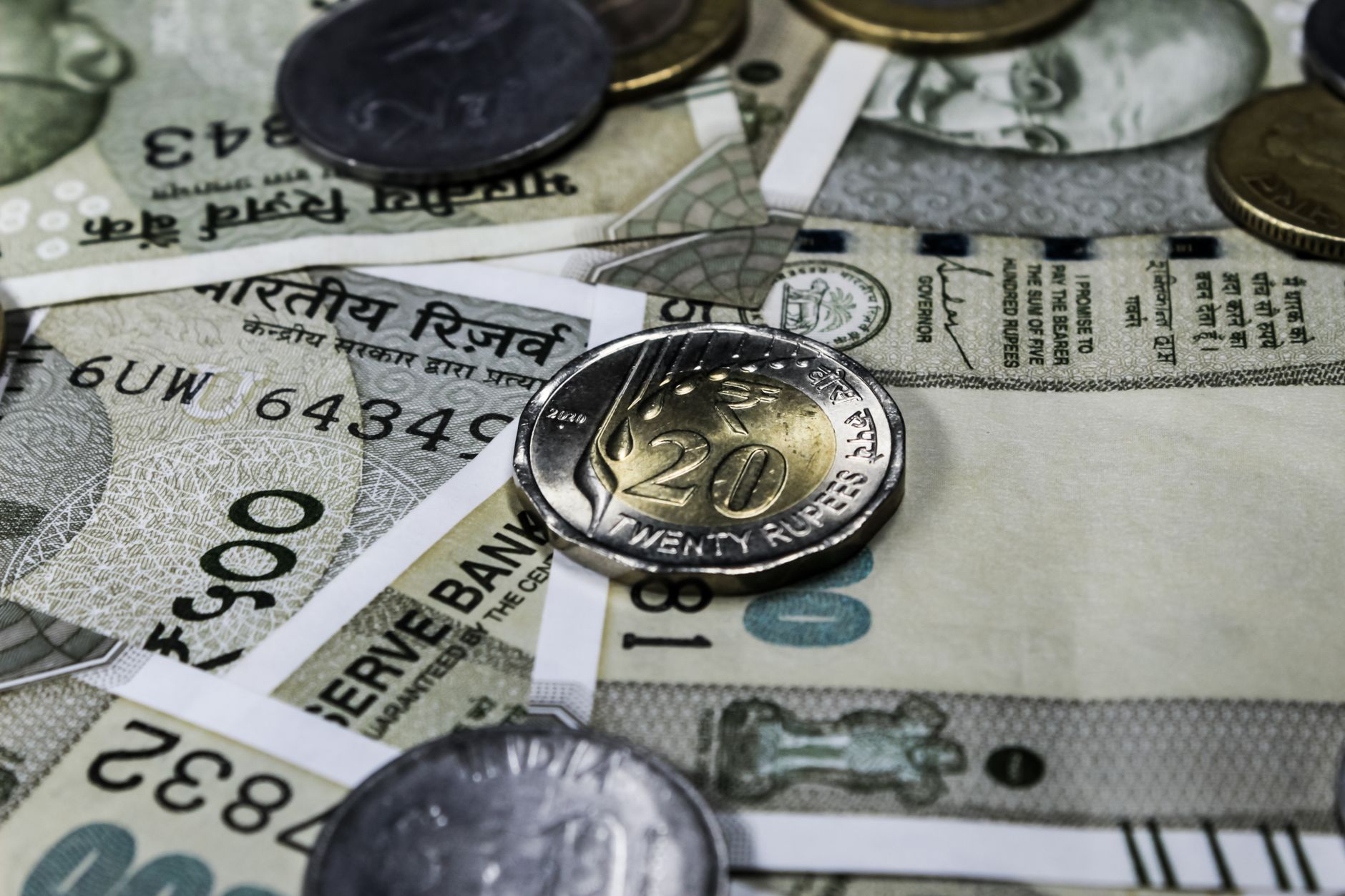
RBI rate hike predictions are making headlines, with Nomura estimating a 60% chance of a 50-bps increase. This potential change could significantly impact the banking sector and economic outlook.
What is the RBI Rate Hike?
The Reserve Bank of India (RBI) plays a crucial role in managing the country’s monetary policy, and one of its key tools is the adjustment of interest rates. A rate hike refers to an increase in the benchmark interest rate, which can have far-reaching implications for the economy. When the RBI decides to implement a rate hike, it typically aims to curb inflation and stabilize the economy.
Currently, analysts at Nomura have predicted a 60% chance of a 50-basis point (bps) increase in the RBI’s interest rate during the upcoming monetary policy meeting. This anticipated RBI rate hike is significant, as it signals the central bank’s efforts to maintain price stability while encouraging economic growth.
The impact of such a decision can be felt across various sectors, influencing borrowing costs for consumers and businesses alike. Higher interest rates can lead to increased loan repayment burdens for individuals and may also affect spending and investment decisions. As a result, stakeholders in the financial markets closely monitor any announcements regarding the RBI rate hike, as these decisions shape the economic landscape in India.
- Inflation control
- Impact on borrowing costs
- Influence on consumer spending
Nomura’s Analysis on Interest Rates
Nomura has provided an insightful analysis regarding the potential direction of interest rates in light of the recent RBI rate hike discussions. The financial services firm forecasts a 60% probability that the Reserve Bank of India will implement a 50-basis point increase in its benchmark interest rate. This prediction comes as the country grapples with persistent inflationary pressures that have prompted central banks worldwide to reconsider their monetary policies.
According to Nomura’s report, several factors are influencing this likelihood:
- Inflation Trends: The firm notes that inflation has remained above the RBI’s target range, necessitating a response to maintain economic stability.
- Global Economic Conditions: Factors such as rising commodity prices and geopolitical tensions continue to impact the Indian economy, influencing the central bank’s decisions.
- Market Reactions: Financial markets are closely monitoring signals from the RBI, with investors adjusting their expectations based on economic indicators and policy statements.
As stakeholders await the central bank’s next move, the implications of a possible RBI rate hike could have far-reaching effects on borrowing costs, consumer spending, and overall economic growth in India.
Implications of a 50-Bps Increase
The potential RBI rate hike of 50 basis points could have significant implications for the Indian economy and its financial markets. Analysts suggest that such a move would primarily impact borrowing costs across various sectors.
Increased interest rates would likely lead to:
- Higher Loan Costs: Consumers and businesses may face steeper rates on loans, affecting their spending and investment plans.
- Impact on Inflation: A rate hike could help curb inflation by making borrowing more expensive, thus reducing consumer demand.
- Market Reactions: Equity markets might experience volatility as investors adjust their portfolios in response to changing interest rates.
- Currency Valuation: The Indian Rupee could strengthen against other currencies due to higher interest rates attracting foreign investments.
- Consumer Confidence: A rise in rates may dampen consumer sentiment, potentially slowing economic growth.
Overall, while the RBI rate hike is aimed at stabilizing the economy, its ripple effects could be felt across various sectors, making it crucial for stakeholders to monitor the developments closely.
Historical Context of RBI Rate Changes
The Reserve Bank of India (RBI) has a long history of adjusting interest rates in response to evolving economic conditions. Over the decades, these decisions have been influenced by various factors, including inflation rates, economic growth, and global financial stability.
In recent years, the RBI has made several significant rate changes aimed at balancing growth with inflation control. Notably, the central bank had decreased rates in 2020 to support the economy during the pandemic, leading to historically low interest rates. However, as economic recovery strengthened, the RBI shifted its focus towards tightening monetary policy to combat rising inflation.
Historically, the RBI has utilized rate hikes as a tool to curb inflationary pressures. For instance, in 2018, the central bank raised rates multiple times as inflation surged above its target range. This historical context underscores the importance of the current discussions surrounding a potential RBI rate hike. Analysts, including those from Nomura, now speculate about the likelihood of a 50-basis-point increase, reflecting the ongoing tension between fostering economic growth and maintaining price stability.
As the situation evolves, market participants closely monitor these developments, understanding that any change in rates can have widespread implications for borrowers and investors alike.
Market Reactions to Rate Predictions
Market reactions to the recent predictions regarding the RBI rate hike have been notably significant, reflecting the financial community’s heightened sensitivity to interest rate changes. Following Nomura’s forecast of a 60% chance for a 50-basis point increase, analysts and investors have closely monitored market movements, particularly in the banking and finance sectors.
Many market experts believe that such a rate hike could lead to immediate repercussions, including:
- Increased Borrowing Costs: A rise in interest rates typically translates to higher borrowing costs for consumers and businesses, potentially dampening economic growth.
- Stock Market Volatility: Investors often react to interest rate predictions with volatility in stock prices, as higher rates can reduce corporate profits.
- Currency Fluctuations: The Indian Rupee may experience fluctuations as international investors adjust their positions based on the anticipated rate hike.
The uncertainty surrounding the RBI rate hike continues to impact market sentiment, with traders weighing the potential benefits of a tighter monetary policy against the risks of slowing economic growth. As the situation develops, the focus remains on how the RBI will respond to these predictions in its upcoming monetary policy review.
Expert Opinions on Future Rate Hikes
As the Reserve Bank of India (RBI) considers its next steps, expert opinions on the potential for a rate hike are gaining prominence. Analysts from various financial institutions have weighed in on the likelihood of a 50-basis points (Bps) increase, with many echoing Nomura’s prediction of a 60% chance for such a move.
According to Ravi Kumar, a senior economist at a leading financial firm, the current economic indicators suggest a tightening approach may be necessary to combat inflation.
- Inflation Concerns: Many experts believe persistent inflationary pressures necessitate a swift response from the RBI.
- Global Trends: The impact of global monetary policies is also a crucial factor; central banks worldwide are grappling with similar challenges.
- Domestic Growth: While a rate hike could control inflation, it may also dampen economic growth, a concern echoed by several analysts.
Dr. Anjali Mehta, a renowned financial analyst, cautions that while an increase in rates might stabilize prices, it could lead to higher borrowing costs for consumers and businesses alike. The balance between curbing inflation and fostering growth remains a delicate one for the RBI as it navigates these complex economic waters.
How Rate Hikes Affect Consumers
The potential RBI rate hike has significant implications for consumers, particularly in areas such as borrowing and spending. When the Reserve Bank of India (RBI) raises interest rates, it directly affects the cost of loans, including personal loans, home mortgages, and credit cards.
As rates increase, consumers may face higher monthly payments, which can lead to:
- Increased Financial Burden: Higher interest rates mean more money spent on repayments, leaving less disposable income for daily expenses.
- Reduced Borrowing: Consumers may become hesitant to take out loans, leading to decreased spending on big-ticket items like homes and automobiles.
- Impact on Savings: While higher rates can benefit savers through improved returns on fixed deposits, the overall economic slowdown could diminish the incentive to save.
Furthermore, if the RBI rate hike is substantial, it could dampen consumer confidence. People may perceive the increase as a signal of inflationary pressures, which could alter their spending habits and investment decisions.
Overall, the RBI rate hike could create a ripple effect throughout the economy, impacting not just borrowers but also the financial health of households across the nation.
Conclusion: What Lies Ahead for RBI
As the Reserve Bank of India (RBI) approaches its next policy meeting, the potential for a rate hike looms large in the financial landscape. With Nomura predicting a 60% chance of a 50-bps increase, market participants are keenly observing the economic indicators that could influence the RBI’s decision. The implications of such a move are multifaceted and could significantly impact borrowing costs, consumer spending, and overall economic growth.
In the coming weeks, several factors will play a crucial role in shaping the RBI’s stance:
- Inflation Trends: Persistent inflationary pressures may compel the RBI to act decisively.
- Economic Growth: Slower growth figures could lead to a more cautious approach from policymakers.
- Global Economic Conditions: External factors, including international interest rates and geopolitical tensions, will also be closely monitored.
- Market Sentiment: Investor reactions and expectations surrounding the RBI rate hike could further influence decision-making.
Ultimately, the trajectory of RBI rate hikes will depend on a careful balancing act between curbing inflation and supporting economic growth, revealing how the central bank navigates these challenging times ahead.
The anticipated RBI rate hike is expected to influence borrowing costs significantly. Analysts believe that this RBI rate hike could lead to increased inflationary pressures in the economy.