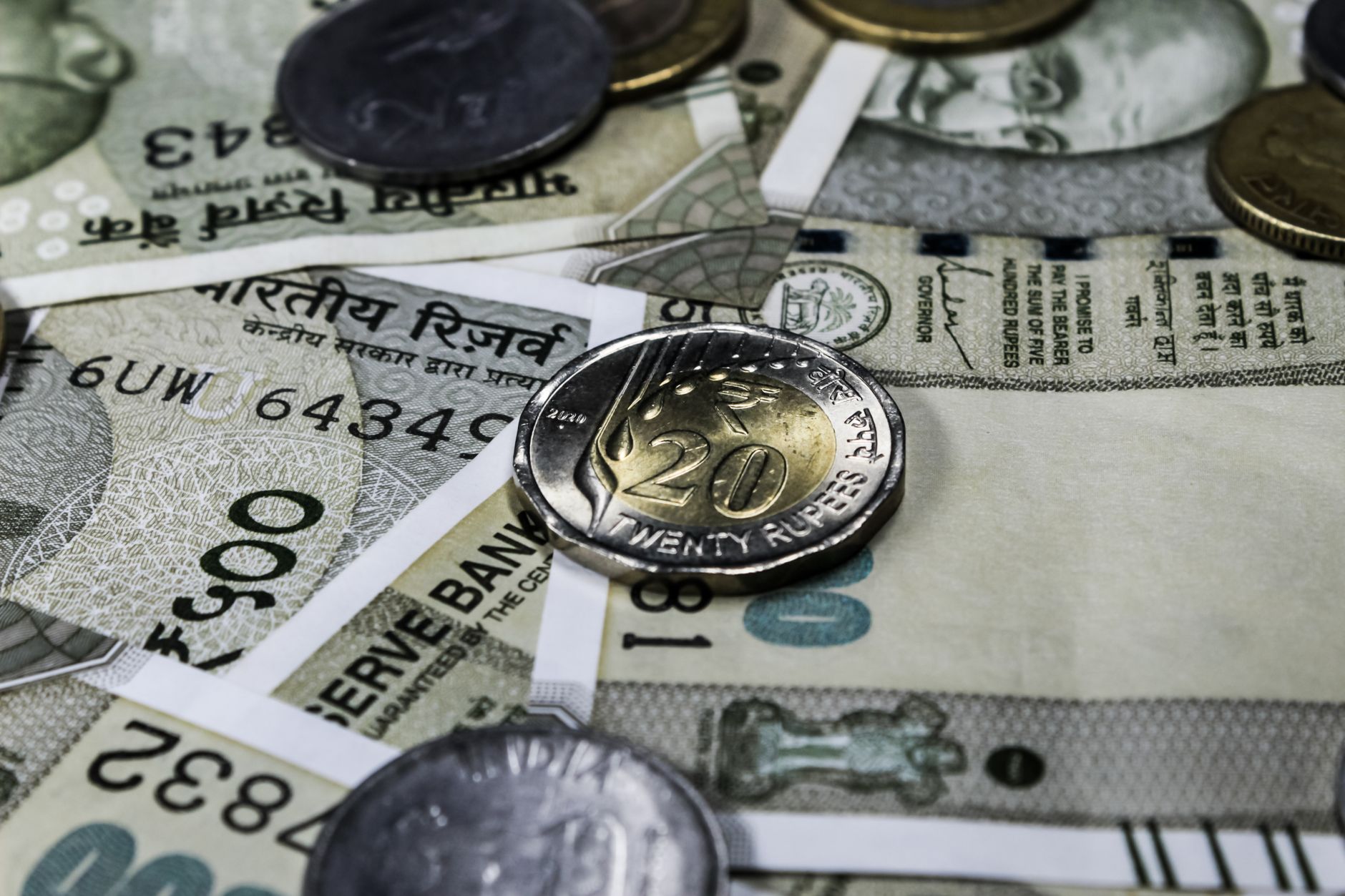
RBI steps to steady rupee have been announced, aiming to stabilize the currency amidst ongoing economic challenges. Analysts predict potential new lows by FY27-end despite these measures.
Understanding RBI’s Recent Measures
The Reserve Bank of India (RBI) has recently implemented several measures aimed at stabilizing the Indian rupee amid volatility in global markets. These initiatives are crucial as the rupee faced significant pressure from external factors, including rising crude oil prices and geopolitical tensions.
Among the steps taken by the RBI are:
- Intervention in the forex market: The RBI has been actively selling dollars to curb excessive depreciation of the rupee.
- Adjusting interest rates: Changes in policy rates have been made to attract foreign investments, which can help support the currency.
- Enhancing forex reserves: The RBI has focused on boosting its foreign exchange reserves to create a buffer against currency fluctuations.
Despite these efforts, analysts caution that while the RBI’s steps to steady the rupee may provide temporary relief, structural challenges remain. Factors such as inflation and trade imbalances could continue to exert downward pressure on the currency. As a result, some forecasts suggest that the rupee may hit new lows by the end of FY27, raising questions about the long-term effectiveness of the RBI’s measures.
Impact of Currency Fluctuations
The impact of currency fluctuations can be significant for both the economy and everyday consumers. When the rupee weakens, it can lead to increased costs for imported goods, which may in turn drive inflation. This scenario could adversely affect the purchasing power of the average citizen.
Additionally, businesses that rely on imports face higher operational costs, which may lead to reduced profit margins or even price hikes for consumers. The recent RBI steps to steady rupee are aimed at mitigating such risks, but the effectiveness of these measures remains to be seen.
Currency fluctuations also influence foreign investment. A stable rupee can attract more foreign direct investment, as investors seek to minimize risk. Conversely, a volatile currency may deter investment, leading to slower economic growth.
Moreover, the effects of currency depreciation are not uniform across sectors. Some industries may benefit from a weaker rupee, particularly those focused on exports, as their products become more competitively priced in international markets.
In summary, the impact of currency fluctuations extends beyond mere numbers, affecting consumers, businesses, and overall economic stability.
Predictions for the Rupee
As the Reserve Bank of India (RBI) implements measures to steady the rupee, analysts and economists have varied predictions for the future trajectory of the currency. While the immediate effects of RBI’s interventions may bring short-term stability, the long-term outlook remains uncertain.
Many experts suggest that external factors, including global economic conditions and geopolitical tensions, will play a significant role in determining the rupee’s strength. Some key predictions include:
- Gradual Recovery: A segment of analysts forecasts a gradual recovery for the rupee, projecting it to stabilize around current levels in the coming months.
- Potential Decline: Conversely, others warn that the rupee might experience further depreciation, potentially hitting new lows by the end of FY27.
- Inflationary Pressures: Concerns regarding inflation may also impact the currency, leading to fluctuations that could counteract RBI’s steps to steady the rupee.
As the RBI continues its efforts, market participants remain cautious, closely monitoring developments that could influence the rupee’s value in the near future.
Economic Challenges Ahead
The Indian economy is currently grappling with a multitude of challenges that threaten to destabilize the rupee further. As the Reserve Bank of India (RBI) takes steps to steady the rupee, experts suggest that the underlying issues may persist and even escalate in the coming years.
Several factors contribute to the economic uncertainty, including:
- Global Inflationary Pressures: Rising global prices have made imports more expensive, leading to a wider trade deficit.
- Interest Rate Hikes: Increasing interest rates in developed nations may attract foreign investments away from India, causing further depreciation of the rupee.
- Geopolitical Tensions: Ongoing conflicts and diplomatic standoffs impact investor confidence, resulting in volatility in currency markets.
While the RBI’s measures aim to provide immediate relief, the long-term economic outlook remains uncertain. Analysts warn that these steps may only act as a temporary solution to the broader economic challenges ahead. As India navigates these turbulent waters, the effectiveness of the RBI’s initiatives will be closely monitored.
Market Reactions to RBI Steps
Market reactions to the RBI steps to steady rupee have been mixed, reflecting the ongoing uncertainty among investors. While some analysts believe that the measures might provide temporary relief, others caution against expecting significant long-term stability.
Key reactions from market experts include:
- Short-term Gains: Some traders noted an initial uptick in the rupee’s value against the dollar, suggesting that immediate market sentiment was positive.
- Long-term Concerns: Despite the RBI’s efforts, many are skeptical, predicting that structural issues could lead the rupee to new lows by FY27-end.
- Inflationary Pressures: Analysts pointed out that while the RBI’s steps aim to stabilize the currency, rising inflation may counteract these efforts.
- Global Factors: The international economic landscape, including potential shifts in US monetary policy, continues to pose risks that could overshadow the RBI’s actions.
In conclusion, while the RBI steps to steady rupee have garnered some favorable reactions, market participants remain cautious about the currency’s trajectory in the coming years.
Long-term Stability Concerns
The recent initiatives by the Reserve Bank of India (RBI) to steady the rupee have sparked a debate about their long-term effectiveness. While these measures aim to provide immediate relief and curb volatility, there are significant concerns regarding their sustainability.
Many economists argue that the root causes of the rupee’s decline, such as trade imbalances and external economic pressures, remain unaddressed. As a result, the RBI’s steps may only serve as a temporary fix rather than a solution that fosters long-term stability.
Some key factors contributing to these concerns include:
- Global Market Influences: International economic conditions, including interest rate changes in major economies, can undermine domestic efforts.
- Inflationary Pressures: Rising inflation may negate any benefits gained from a steadier currency.
- Investment Sentiment: Foreign investors may remain cautious if structural issues persist despite the RBI’s intervention.
Ultimately, while the RBI steps to steady the rupee are essential in the short term, stakeholders must consider whether they are sufficient for achieving lasting economic stability.
Expert Opinions on RBI Actions
Experts have weighed in on the recent measures taken by the Reserve Bank of India (RBI) to steady the rupee, with varying perspectives on their effectiveness and long-term implications. Many analysts agree that while the RBI’s steps may provide temporary relief, they might not address the underlying issues affecting the currency.
- Dr. Ramesh Kumar, an economist at a leading financial institution, stated, “The RBI’s intervention might stabilize the rupee in the short term, but without structural reforms, we could face new challenges in the future.”
- Ms. Anjali Sharma, a currency analyst, suggested that “The RBI steps to steady the rupee are commendable but should be accompanied by a comprehensive economic strategy to ensure sustainable growth.”
- Prof. Vikram Joshi, a finance expert, noted, “Market reactions indicate skepticism about the longevity of these measures. Investors remain cautious, as they predict potential new lows for the rupee by FY27-end.”
Overall, while the RBI’s actions may offer immediate support, the consensus among experts is that a broader approach is essential for lasting stability in the currency markets.
Future Outlook for the Rupee
The future outlook for the rupee remains uncertain despite the Reserve Bank of India’s (RBI) steps to steady the currency. Analysts have expressed concerns that while these measures may offer temporary relief, they might not address the underlying economic challenges faced by the nation.
According to a recent BS Poll, experts predict new lows for the rupee by the end of FY27, indicating that the RBI’s interventions may only provide short-term stabilization. Key factors contributing to this pessimistic outlook include:
- Global Economic Conditions: Fluctuations in international markets could adversely affect the rupee.
- Inflation Rates: Persistently high inflation may erode purchasing power and investor confidence.
- Trade Deficits: A widening trade gap could put additional pressure on the currency.
- Interest Rates: Changes in interest rates, both domestically and abroad, will influence capital flows.
Ultimately, the effectiveness of the RBI’s steps to steady the rupee will depend on how well they can navigate these challenges. Stakeholders will be closely monitoring the situation as the fiscal year progresses.
The recent RBI steps to steady rupee have sparked a debate among economists regarding their long-term effectiveness. Critics argue that while these RBI steps to steady rupee may provide temporary relief, they do not address the underlying economic challenges.
Photo by Ravi Roshan on Pexels
Sources
Related reading
Fathom Digital Manufacturing Acquisitions: Smart Growth Strategy · Stock Market Reasons: What Are the 3 Proven Factors Today? · Bitcoin price prediction: Best proven strategies for 2026