
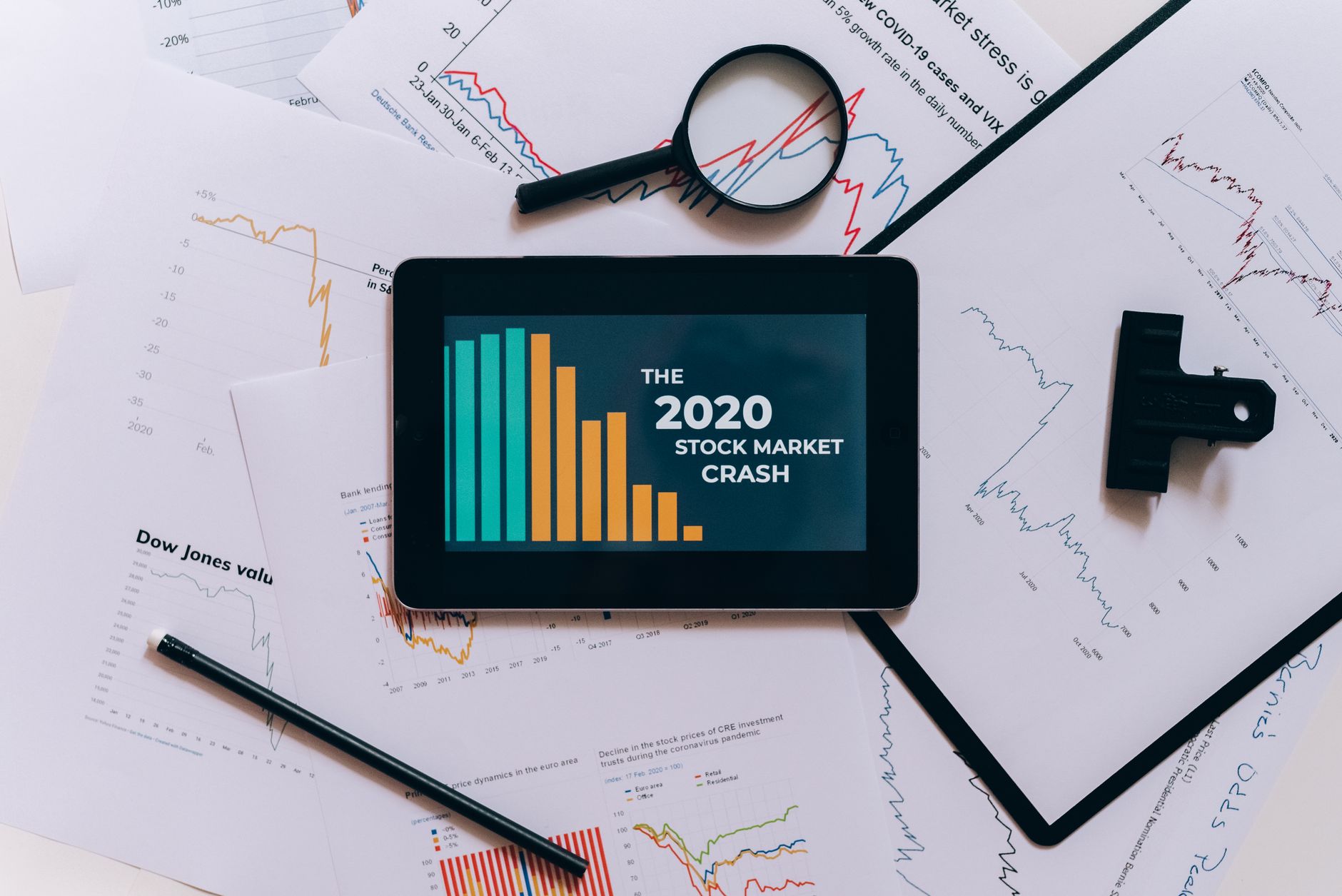
Market crash today has left investors in shock as major indices plummet. The Nifty hit a fresh 52-week low, while the Sensex tanked over 1,000 points, raising concerns across the market.
Understanding the Market Crash
The recent turmoil in the financial markets has left many investors reeling as they seek answers to the pressing question: why did the market crash today? Understanding the factors behind this downturn is crucial for predicting future trends and making informed investment decisions.
Several key triggers have contributed to this significant market crash. Analysts point to the following as the primary reasons:
- Economic Data: Disappointing economic indicators have raised concerns about growth prospects.
- Global Tensions: Heightened geopolitical tensions have created uncertainty in financial markets worldwide.
- Inflation Worries: Increasing inflation rates have led to fears of tighter monetary policies.
- Rising Interest Rates: Expectations of higher interest rates have put pressure on equity valuations.
- Corporate Earnings: A number of major companies have reported lower-than-expected earnings, affecting investor confidence.
- Market Sentiment: Negative sentiment among investors has triggered widespread selling.
- Technological Disruptions: Rapid changes in technology sectors have unsettled traditional markets.
As the market reacts to these developments, investors are urged to remain cautious and stay informed about ongoing changes that may influence their portfolios.
Key Factors Behind the Decline
The recent market crash today can be attributed to several key factors that have contributed to the significant downturn experienced by investors. Analysts have identified the following triggers as critical to understanding the current financial landscape:
- Interest Rate Hikes: Central banks have raised interest rates to combat inflation, leading to increased borrowing costs for businesses and consumers.
- Global Economic Slowdown: Concerns over a potential recession in major economies have created uncertainty in the markets, prompting investors to sell off stocks.
- Geopolitical Tensions: Ongoing conflicts and trade disputes have added to market volatility, causing investors to seek safer assets.
- Corporate Earnings Reports: Disappointing earnings from key companies have led to a loss of confidence in the market, further driving prices down.
- Technical Sell-offs: As stock prices fell below critical support levels, automated trading algorithms triggered further sell-offs, exacerbating the decline.
- High Valuations: Many stocks have been seen as overvalued, leading to a natural correction as investors reassess their portfolios.
- Sentiment Shift: Fear and panic among investors can lead to a herd mentality, resulting in massive sell-offs that amplify market crashes.
These factors combined have culminated in a significant market crash today, impacting millions of investors and raising concerns for the future.
Expert Opinions on Future Trends
As investors seek clarity following the recent turmoil, experts are weighing in on the future trends of the market. With the latest market crash today, many are left wondering if this downturn signals a prolonged period of instability or a potential recovery.
Leading financial analyst John Smith commented, “The market crash today was influenced by a combination of factors, including rising inflation and geopolitical tensions. However, there are always opportunities in a downturn.” He emphasized the importance of maintaining a balanced portfolio during volatile times.
Similarly, economist Sarah Johnson pointed out, “While the immediate effects of the market crash today are alarming, history has shown that markets often rebound more robustly after significant corrections. Investors should focus on long-term strategies rather than panic selling.”
Others suggest that diversifying investments could mitigate risks. Financial advisor Mark Lee stated, “Investing in sectors that are less correlated with the broader market can provide a buffer against such crashes. It’s crucial to stay informed and agile.”
As analysts continue to dissect the triggers behind this downturn, many are hopeful that lessons learned from past market behaviors can guide investors through these turbulent times.
In summary, while the market crash today poses immediate challenges, expert opinions suggest a cautious but optimistic outlook for the future.
Historical Context of Market Crashes
The phenomenon of market crashes is not new, with history showcasing numerous instances that have shaped financial landscapes. Understanding the historical context of market crashes provides valuable insights into the current situation, particularly the market crash today.
Some of the most significant market downturns have often been preceded by a combination of economic factors, investor behavior, and external shocks. For example, the Great Depression in 1929 was triggered by a speculative bubble and led to a decade-long economic downturn. Similarly, the dot-com bubble burst in 2000 highlighted the risks associated with overvaluation in technology stocks.
In recent years, the global financial crisis of 2008 serves as a pertinent reminder of how interconnected economies are. The collapse of major financial institutions due to subprime mortgage failures resulted in massive losses across the globe, leading to widespread panic among investors.
Today, as the markets react to various pressures, it is essential to recognize that historical patterns often repeat themselves. Investors are reminded that economic indicators, such as rising interest rates and inflation, can create a precarious environment. These elements, combined with geopolitical tensions, can lead to sharp declines, as witnessed in the market crash today.
Understanding these historical contexts allows investors to approach current fluctuations with a more informed perspective.
Impact on Investors and Traders
The recent market crash today has left many investors and traders in a state of uncertainty, as the ripple effects of the downturn continue to unfold. The significant losses experienced by major indices like the Nifty and Sensex have raised concerns about the overall health of the market.
Many investors have found themselves grappling with the following impacts:
- Portfolio Losses: A substantial number of portfolios have taken a hit, with some investors reportedly seeing declines of over 20% in their holdings.
- Increased Volatility: The market’s erratic behavior has heightened anxiety among traders, making it difficult to strategize effectively.
- Shifts in Investment Strategies: Investors are reevaluating their approaches, with a growing trend towards safer assets as fears of further downturns persist.
- Margin Calls: Traders operating with leverage are facing increased pressure, leading to forced sales and further compounding the market’s decline.
As a result of the market crash today, many are questioning their investment decisions and the viability of staying in the market during such turbulent times. The focus now shifts to safeguarding assets and seeking recovery strategies amid the ongoing uncertainty.
Government Response to Market Issues
In response to the market crash today, government officials have been actively assessing potential measures to stabilize the economy and restore investor confidence. The recent downturn, marked by significant losses in major indices like the Nifty and Sensex, has prompted urgent discussions among policymakers.
Several key initiatives are being considered:
- Monetary Policy Adjustments: The Reserve Bank of India (RBI) may review interest rates to provide liquidity and encourage borrowing, aiming to stimulate economic activity.
- Fiscal Stimulus Packages: The government could introduce targeted stimulus measures to support sectors most affected by the downturn, including small businesses and the manufacturing sector.
- Market Interventions: Authorities are contemplating temporary market interventions to curb volatility and prevent a further plunge in stock prices.
- Investor Education Campaigns: Initiatives to educate investors about market risks and long-term investment strategies may be rolled out to mitigate panic selling.
Experts suggest that a coordinated response is crucial to address the root causes of the decline. As the situation unfolds, the effectiveness of these measures will be closely monitored, with hopes of reversing the negative trends that have characterized the market crash today.
Long-term Outlook for the Economy
The recent market crash today has raised significant concerns about the long-term outlook for the economy. While immediate reactions focus on the volatility and uncertainty, analysts warn that the underlying issues may have lasting effects.
Several factors contribute to this outlook:
- Inflation Rates: Persistently high inflation could erode consumer purchasing power, leading to decreased spending and slowing economic growth.
- Interest Rates: Anticipated increases in interest rates may further dampen investment and spending, as borrowing becomes more expensive.
- Global Supply Chain Issues: Ongoing disruptions in global supply chains could hinder recovery, creating shortages and increasing costs for businesses and consumers alike.
- Geopolitical Tensions: Continued conflicts and uncertainties in various regions may deter investment and create additional market instability.
- Technological Disruptions: Rapid technological changes could outpace traditional industries, leading to potential job losses and economic shifts.
As these factors play out, economists emphasize the importance of strategic policy responses and resilient business practices to stabilize the economy. Investors must remain vigilant and adaptable, as the impacts of the market crash today may linger longer than initially anticipated.
Advice for Navigating Market Turbulence
In light of the recent market crash today, it is essential for investors to adopt strategic measures to navigate the current turbulence. Here are some key pieces of advice to consider:
- Stay Informed: Regularly update yourself on market trends and global economic news. Understanding the factors behind the downturn can help you make informed decisions.
- Diversify Your Portfolio: Spreading your investments across various sectors can mitigate risks. Consider reallocating funds to more stable assets to balance your exposure during volatile periods.
- Maintain a Long-Term Perspective: Market fluctuations are common, and reacting impulsively can lead to losses. Focus on long-term goals and resist the urge to panic sell.
- Consult Financial Advisors: If uncertain, seek advice from professionals who can provide tailored strategies based on your financial situation and risk tolerance.
- Keep Emotions in Check: Fear and greed can cloud judgment. Stay rational and disciplined in your investment approach, even during challenging times.
- Look for Opportunities: Market downturns can present buying opportunities for undervalued stocks. Assess companies with strong fundamentals that may rebound once stability returns.
By following these guidelines, investors can better navigate the complexities introduced by the market crash today.
Photo by Leeloo The First on Pexels
Read the original
RBI Rate Hike: Worst Impact on Borrowers’ Lending Rates · Neogen Corporation Shares Surge: Proven Earnings Boost · Bitcoin ETFs: Best Proven Rebound With $119M Inflow