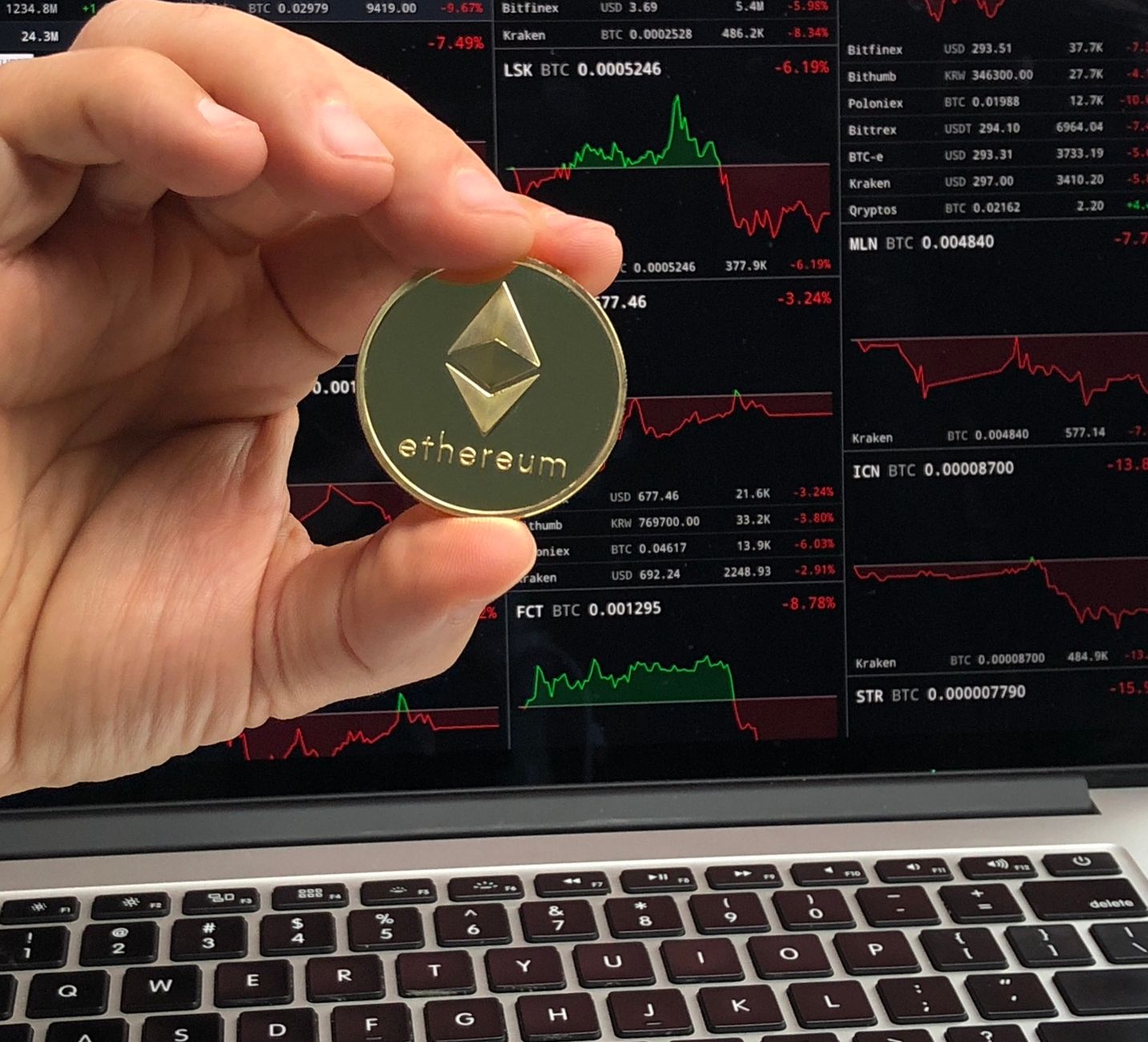
Bitcoin ETFs have rebounded significantly, with a remarkable $119 million inflow led by BlackRock. This surge indicates growing confidence in cryptocurrency investments.
Understanding Bitcoin ETFs
Bitcoin ETFs, or exchange-traded funds, have gained significant attention in the financial world as a way for investors to gain exposure to Bitcoin without directly owning the cryptocurrency. These funds allow investors to buy shares that represent a portion of Bitcoin holdings, providing a more traditional investment vehicle.
Recently, the market has seen a remarkable rebound in Bitcoin ETFs, with an impressive inflow of $119 million. This resurgence has been largely attributed to the involvement of major financial players, such as BlackRock, which has reignited interest among institutional investors. The growing acceptance of cryptocurrencies in mainstream finance is also driving this trend.
Investors are increasingly turning to Bitcoin ETFs for several reasons:
- Diversification: Bitcoin ETFs allow for diversification within a portfolio without the complexities of managing digital wallets and private keys.
- Regulatory Oversight: Being traded on stock exchanges, Bitcoin ETFs are subject to regulatory scrutiny, providing a level of security for investors.
- Liquidity: These funds offer greater liquidity compared to buying and selling Bitcoin directly, making it easier for investors to enter and exit positions.
As the landscape evolves, Bitcoin ETFs are poised to play a crucial role in the integration of cryptocurrency into traditional finance.
Recent Market Trends
In the latest developments surrounding Bitcoin ETFs, recent market trends indicate a significant shift in investor sentiment. Following a period of volatility, Bitcoin ETFs have shown a remarkable rebound, showcasing a robust inflow of $119 million. This surge has been largely attributed to renewed interest from institutional investors, particularly following announcements from major financial firms like BlackRock.
Analysts suggest that the uptick in investment is a response to several factors:
- Market Recovery: The overall cryptocurrency market has regained momentum, with Bitcoin prices stabilizing after earlier fluctuations.
- Institutional Interest: Increased participation from institutional players is seen as a vote of confidence in the legitimacy and future potential of Bitcoin ETFs.
- Regulatory Developments: Positive news regarding regulatory frameworks is encouraging more investors to consider Bitcoin ETFs as a viable option for exposure to digital assets.
As the landscape continues to evolve, Bitcoin ETFs are likely to remain a focal point for market participants, particularly as they navigate the complexities of cryptocurrency investment. This rebound may signal a new phase for Bitcoin ETFs, attracting further interest and capital in the coming months.
BlackRock’s Role in ETF Growth
BlackRock has played a pivotal role in the recent surge of Bitcoin ETFs, demonstrating its influence in the financial markets. As one of the largest asset management firms globally, BlackRock’s entry into the Bitcoin ETF space has significantly boosted investor confidence. The company’s move to file for a Bitcoin ETF has sparked interest and competition among other financial institutions, leading to a notable rebound in inflows.
In the past week alone, Bitcoin ETFs have reported an impressive inflow of $119 million, largely attributed to BlackRock’s strategic initiatives. This influx of capital signals a strong rebirth in investor enthusiasm towards cryptocurrency assets, particularly in the wake of regulatory clarity. The attention surrounding BlackRock’s ETF application has not only elevated its own standing but has also encouraged other firms to explore similar ventures.
The implications of BlackRock’s involvement extend beyond mere numbers. It represents a growing acceptance of Bitcoin as a legitimate investment vehicle. The firm’s significant resources and expertise in managing funds provide additional reassurance to potential investors, reinforcing the belief that Bitcoin ETFs could be a stable and profitable option in today’s market.
Impact of Inflows on Bitcoin
The recent inflow of $119 million into Bitcoin ETFs has had a significant impact on the overall market. This surge in investment is primarily attributed to growing institutional interest, particularly from major financial players like BlackRock. As more investors turn to Bitcoin ETFs as a safer way to gain exposure to cryptocurrencies, the volatility traditionally associated with direct cryptocurrency investments seems to be diminishing.
Analysts point out that the latest inflows indicate a renewed confidence in Bitcoin as a viable asset class. The increased capital can lead to a range of positive effects on Bitcoin’s price stability and market perception. In particular, this influx is expected to:
- Enhance liquidity: Greater investment can lead to improved market liquidity, allowing for smoother transactions and less price manipulation.
- Attract new investors: The positive momentum from these inflows may encourage more institutional and retail investors to consider Bitcoin ETFs.
- Boost market sentiment: The influx can create a sense of optimism among traders, potentially driving up demand and prices.
As Bitcoin ETFs continue to gain traction, their influence on the cryptocurrency market will likely grow, shaping the future of digital asset investments.
Future of Cryptocurrency Investments
The future of cryptocurrency investments appears to be increasingly intertwined with the growth of Bitcoin ETFs, as evidenced by the recent $119 million inflow. This significant rebound reflects a renewed confidence among investors, signaling a potential shift in market dynamics.
One of the most compelling aspects of Bitcoin ETFs is their ability to provide a more accessible entry point for traditional investors. By allowing them to participate in the Bitcoin market without the complexities of owning the cryptocurrency directly, these financial products have the potential to broaden the investor base significantly.
Additionally, regulatory developments are likely to play a critical role in shaping the future landscape of cryptocurrency investments. As more regulatory clarity emerges, it could pave the way for additional Bitcoin ETFs to enter the market, further driving interest and inflows.
Moreover, investor sentiment surrounding Bitcoin ETFs is expected to evolve as educational initiatives and market analyses become more widespread. This will help demystify the risks and benefits associated with these investment vehicles, encouraging a more informed approach toward cryptocurrency.
In summary, the outlook for Bitcoin ETFs is promising, as they may serve as a catalyst for broader acceptance and investment in the cryptocurrency space.
Investor Sentiment Analysis
Investor sentiment surrounding Bitcoin ETFs has seen a significant shift in recent weeks, largely driven by a remarkable $119 million inflow, primarily attributed to BlackRock’s influential role in the market. This resurgence indicates a growing confidence among investors who are increasingly viewing Bitcoin ETFs as a viable investment vehicle.
Key factors contributing to this positive sentiment include:
- Increased Institutional Interest: Major players in the financial sector are now actively participating in Bitcoin ETFs, signaling a maturation of the cryptocurrency market.
- Regulatory Clarity: Recent developments suggest that regulatory bodies are becoming more accepting of cryptocurrency investments, lowering barriers for institutional investors.
- Market Volatility: As Bitcoin experiences fluctuations, many investors are turning to ETFs as a more stable option to gain exposure to the cryptocurrency without the inherent risks of direct trading.
Moreover, the recent inflow reflects a broader belief that Bitcoin ETFs can play a crucial role in the future of cryptocurrency investments. With more investors willing to enter the space, the outlook for Bitcoin ETFs appears increasingly positive, reinforcing their significance in the evolving financial landscape.
Comparing Bitcoin ETFs
As the cryptocurrency market continues to evolve, comparing Bitcoin ETFs has become crucial for investors looking to navigate this dynamic landscape. The recent influx of $119 million into Bitcoin ETFs signals a significant resurgence, particularly driven by the strategic moves of major players like BlackRock.
When evaluating Bitcoin ETFs, several factors come into play:
- Liquidity: The ease with which investors can buy or sell shares without impacting the price is essential. High liquidity often indicates a healthy market.
- Expense Ratios: Investors should consider the management fees associated with each ETF. Lower expense ratios can lead to better net returns over time.
- Tracking Error: This measures how closely an ETF follows its underlying asset. Smaller tracking errors are preferable, indicating better performance alignment with Bitcoin’s price movements.
- Regulatory Compliance: With the fluctuating regulatory landscape, ETFs that are compliant may offer investors a sense of security and stability.
Understanding these aspects can help investors make informed decisions as they explore the opportunities presented by Bitcoin ETFs in the current market climate.
Regulatory Environment for ETFs
The regulatory environment surrounding Bitcoin ETFs has been a significant factor in their recent growth and the impressive $119 million inflow. As cryptocurrency continues to gain mainstream acceptance, regulatory bodies are increasingly focusing on how to manage and oversee these investment vehicles.
In the United States, the Securities and Exchange Commission (SEC) has been cautious in its approach to approving Bitcoin ETFs. However, recent discussions hint at a shift towards a more favorable stance. Key points in the regulatory landscape include:
- Increased Scrutiny: The SEC has emphasized the need for robust investor protections and clear guidelines for fund management.
- Global Perspectives: Other countries have successfully launched Bitcoin ETFs, providing a benchmark for the U.S. to consider.
- Market Integrity: Regulators are concerned about potential market manipulation and are working towards frameworks that enhance transparency.
- Institutional Interest: The participation of major financial institutions like BlackRock signals a growing acceptance of Bitcoin ETFs, prompting regulatory adjustments.
As the regulatory environment evolves, it is likely to play a crucial role in shaping the future landscape of Bitcoin ETFs and their adoption among investors.