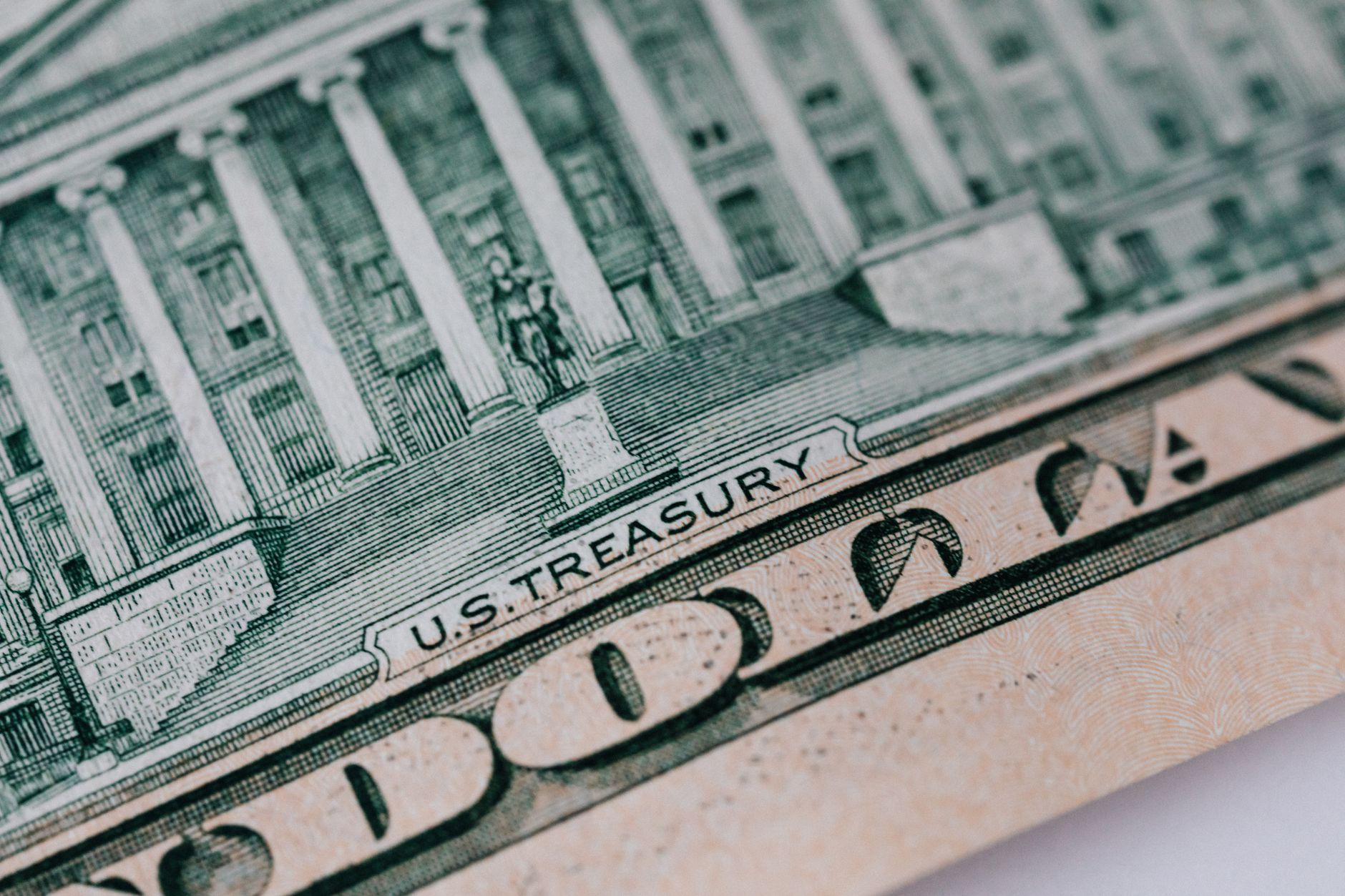
U.S. Treasury yields are experiencing significant movement as investors react to market changes. The rise in oil prices coupled with expectations of interest-rate hikes is creating a challenging environment for traders.
Understanding U.S. Treasury Yields
U.S. Treasury yields have become a focal point for investors as they gauge the impact of rising oil prices on the economy. These yields represent the return on investment for U.S. government bonds and are influenced by various factors, including inflation expectations and monetary policy decisions.
Recently, the interplay between soaring oil prices and increasing U.S. Treasury yields has created a challenging environment for investors. With oil prices climbing significantly, concerns over inflation have intensified, prompting expectations for interest rate hikes from the Federal Reserve. This dual challenge has led to a rise in the number of “extreme short-sellers” betting against U.S. Treasuries, reflecting a growing belief that monetary policy will tighten further.
As investors navigate this volatile landscape, they are closely monitoring key indicators that could signal shifts in monetary policy. The correlation between oil prices and U.S. Treasury yields highlights the broader economic implications that rising energy costs can have on government bond markets.
In this context, understanding the dynamics of U.S. Treasury yields is crucial for making informed investment decisions.
Impact of Oil Prices on Financial Markets
The recent surge in oil prices has sparked significant volatility in financial markets, particularly impacting U.S. Treasury yields. As oil prices rise, concerns over inflation increase, leading investors to anticipate tighter monetary policy from the Federal Reserve. This scenario creates a ripple effect throughout the economy.
With higher oil prices, the cost of goods and services rises, prompting fears of persistent inflation. In response, the Federal Reserve may consider implementing interest rate hikes to stabilize the economy. This potential shift influences U.S. Treasury yields, as investors adjust their expectations regarding future interest rates.
Market participants are closely monitoring the interplay between oil prices and U.S. Treasury yields. Some key factors contributing to this dynamic include:
- Inflationary pressures: Increased oil prices can lead to broader inflation, which affects consumer spending.
- Investor sentiment: As fears of inflation grow, investors may seek safer assets, affecting demand for Treasuries.
- Monetary policy outlook: Anticipation of rate hikes can drive Treasury yields higher, reflecting increased borrowing costs.
This complex relationship highlights the sensitive nature of financial markets amid fluctuating oil prices.
Investor Reactions to Rate Hike Expectations
Investor sentiment has taken a sharp turn as the combination of rising oil prices and increasing U.S. Treasury yields has heightened expectations for interest-rate hikes. Many market participants are adjusting their strategies in response to these developments.
According to analysts, the surge in oil prices is posing a substantial threat to inflation, prompting the Federal Reserve to consider tightening monetary policy more aggressively than previously anticipated. This shift in expectations is reflected in the trading activity surrounding U.S. Treasury yields, with many investors positioning themselves to benefit from potential rate increases.
- Short-selling activity: “Extreme short-sellers” of U.S. Treasuries are becoming increasingly vocal, betting that yields will continue to rise.
- Market volatility: The interplay of oil prices and Treasury yields has contributed to heightened market volatility, compelling investors to reassess their risk exposure.
- Investment strategies: Many are now diversifying their portfolios to mitigate risks associated with potential rate hikes and inflationary pressures.
As investors navigate this complex landscape, the focus on U.S. Treasury yields remains critical to understanding future financial conditions.
The Role of Short Sellers in Treasury Markets
In the current financial landscape, short sellers have taken center stage in the U.S. Treasury markets, capitalizing on the heightened volatility brought on by rising oil prices and fluctuations in U.S. Treasury yields. These investors are betting against Treasury securities, anticipating that prices will continue to decline as yields rise further.
Short selling involves borrowing securities and selling them with the intention of repurchasing them at a lower price, profiting from the difference. As oil prices increase, concerns over inflation have intensified, leading to greater expectations of interest rate hikes from the Federal Reserve. This environment has encouraged more aggressive short-selling strategies.
According to market analysts, the surge in short selling reflects a growing belief that the current economic conditions could prompt significant shifts in monetary policy. Investors are keenly aware that rising oil prices can have a cascading effect on inflation and, consequently, on U.S. Treasury yields.
- Short sellers are betting on further declines in Treasury prices.
- Rising oil prices contribute to inflation concerns.
- Interest rate hikes are anticipated by market participants.
The dynamic interplay between these factors continues to shape the outlook for U.S. Treasury yields.
Analyzing the Double Whammy Effect
The recent surge in U.S. Treasury yields has coincided with escalating oil prices, creating a challenging environment for investors. This phenomenon is often referred to as a “double whammy,” where two significant factors converge to amplify market volatility.
As oil prices rise, the cost of goods and services typically follows suit, leading to heightened inflationary pressures. In response, the Federal Reserve may be compelled to implement interest rate hikes to curb inflation, further influencing U.S. Treasury yields. Investors find themselves in a precarious position, as higher yields can lead to declining bond prices, thus eroding portfolio values.
- Increased borrowing costs: Rising yields result in higher costs for borrowers, affecting everything from mortgages to corporate loans.
- Market uncertainty: The unpredictability of future interest rate hikes creates a volatile atmosphere, prompting investors to reassess their strategies.
- Focus on short-selling: With expectations of further rate increases, “extreme short-sellers” are becoming more active in the Treasury markets, betting against government bonds.
This complex interplay highlights the intricate dynamics that financial markets must navigate amid rising oil prices and shifting interest rate expectations.
Future Predictions for U.S. Treasuries
Looking ahead, analysts predict that the trajectory of U.S. Treasury yields will be significantly influenced by the ongoing volatility in oil prices. As inflation concerns persist, the Federal Reserve may feel pressured to raise interest rates further, impacting bond markets.
Several key factors are expected to shape the future of U.S. Treasuries:
- Global Economic Recovery: A faster-than-expected recovery could lead to increased demand for oil, causing prices to rise and further influencing inflation.
- Monetary Policy Adjustments: The Federal Reserve’s decisions on interest rates will be closely monitored as investors react to new data and economic indicators.
- Market Sentiment: Investor confidence can sway significantly based on geopolitical events and economic forecasts, affecting the demand for Treasuries.
- Short Selling Trends: The continued activity of short sellers might create further volatility in U.S. Treasury yields, as they position themselves against perceived overvaluation.
In summary, the interplay between rising oil prices and U.S. Treasury yields will likely remain a focal point for investors as they navigate an uncertain economic landscape.
Photo by https://kaboompics.com/ on Pexels
References
Related stories
Change FASTag Bank: Is It the Best Move for You? · Nifty 50 index levels: Worst case scenarios to watch · Goodluck India Share Price: Is It a Smart Buy After Q1 Results?