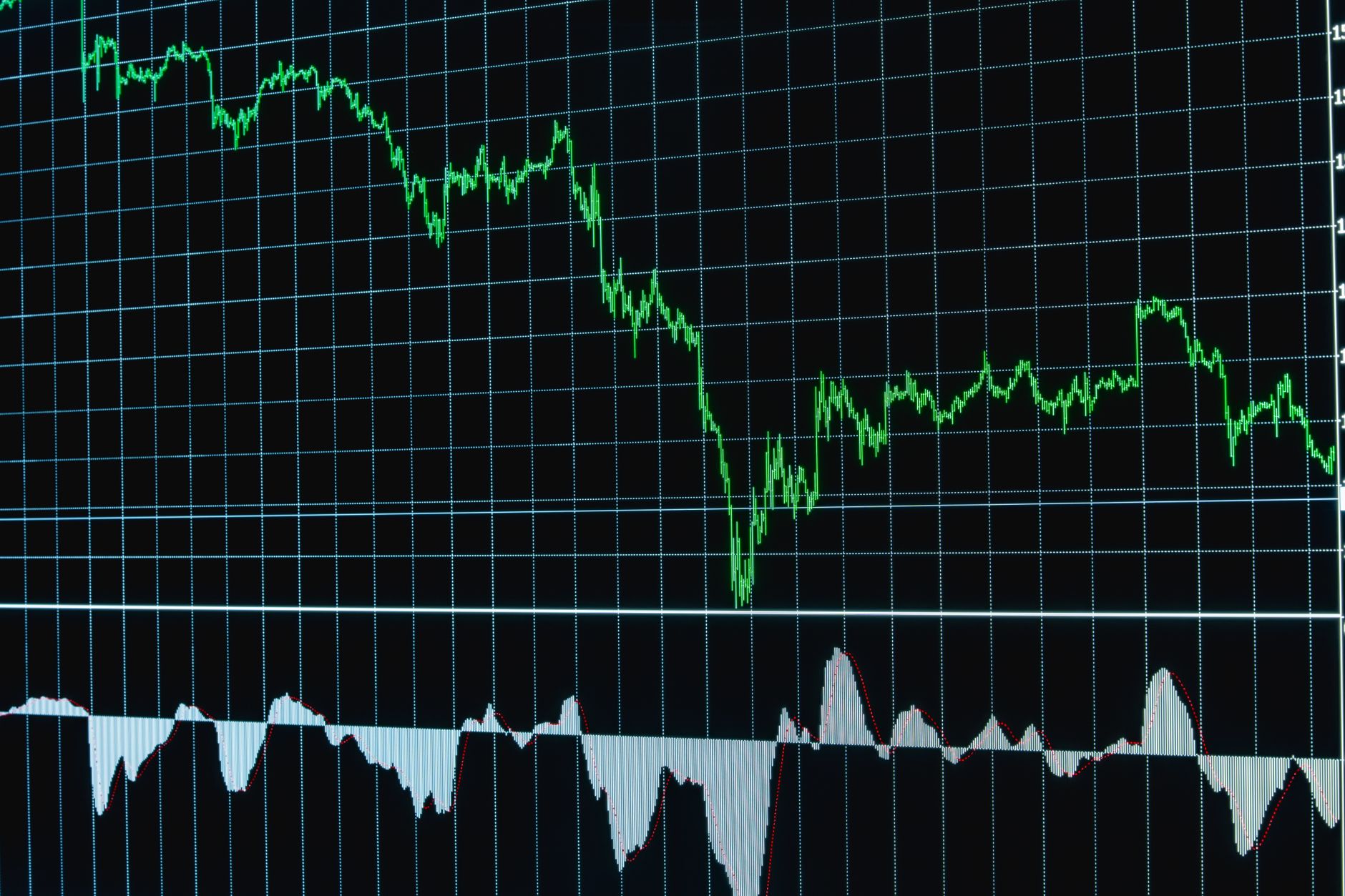
capital outflows risk has been flagged by the FM as a key concern for India in 2027. This issue is intricately linked to the weakness in the equity market and liquidity concerns.
Understanding Capital Outflows
Capital outflows refer to the movement of financial assets out of a country, often indicating a lack of confidence in the domestic economy. In recent reports, India’s Finance Minister has highlighted these outflows as a significant risk for the nation, particularly looking ahead to 2027. This concern is compounded by the observed weakness in the equity market, which some analysts attribute to dwindling liquidity.
The implications of capital outflows can be profound, impacting various sectors of the economy. Among the potential effects are:
- Currency Depreciation: Increased outflows can lead to a decline in currency value, making imports more expensive.
- Inflation Pressure: A weaker currency can contribute to rising inflation, affecting purchasing power.
- Investment Decline: As foreign investors withdraw, local businesses may struggle to secure funding for growth.
- Economic Slowdown: Reduced investment can hamper economic activity, leading to slower growth rates.
In conclusion, understanding and addressing the risks associated with capital outflows is crucial for maintaining economic stability in India.
Impact on Equity Markets
The recent warning from the Finance Minister regarding capital outflows risk has raised concerns about the potential impact on India’s equity markets. As foreign investors withdraw their investments, the resulting liquidity crunch can lead to significant volatility in stock prices.
Analysts have noted that this trend could result in:
- Decreased Investor Confidence: As market stability wavers, local and foreign investors may become hesitant to participate, exacerbating the situation.
- Increased Market Volatility: With reduced liquidity, even minor fluctuations in stock prices can lead to larger swings, making it difficult for investors to predict market movements.
- Sector-Specific Declines: Certain sectors that rely heavily on foreign investment may suffer more than others, leading to uneven market performance.
The linkage of equity market weakness to capital outflows risk is particularly troubling as it highlights a broader economic vulnerability. Should these trends persist, they could hinder India’s growth prospects and contribute to a challenging investment climate in the years ahead.
Liquidity Concerns Explained
Liquidity concerns have emerged as a significant threat amid rising capital outflows risk in India. Financial experts warn that a sudden decline in liquidity could exacerbate the already fragile state of the economy. With foreign investors pulling out their investments, the pressure on the domestic financial system intensifies.
The Finance Minister has highlighted the potential consequences of these capital outflows, linking them directly to instability in the equity markets. As liquidity diminishes, companies may find it increasingly challenging to secure funding for operations and expansion, leading to stunted economic growth.
Moreover, the impact on consumer confidence cannot be overlooked. As investors withdraw their capital, the perception of economic stability deteriorates, causing consumers to spend less. This cycle of reduced spending and weakened investment can further lead to a downturn in economic activity.
Analysts suggest that addressing these liquidity concerns is crucial for mitigating the risks associated with capital outflows. A proactive approach is needed to restore investor confidence and ensure that the economy remains resilient in the face of these challenges.
Economic Predictions for 2027
As India approaches 2027, economic analysts are increasingly raising alarms about the potential for capital outflows risk. This concern is underscored by the recent statements from the Finance Minister, who has linked the nation’s equity market weaknesses directly to liquidity constraints exacerbated by these outflows.
Predictions suggest that if the current trends continue, India could face significant challenges in maintaining its economic stability. Key factors influencing these predictions include:
- Global Economic Conditions: The international environment is expected to remain volatile, with fluctuating interest rates and geopolitical tensions impacting investor sentiment.
- Domestic Policy Changes: Upcoming elections and potential policy shifts may create uncertainty, prompting investors to reassess their commitments to Indian markets.
- Inflation and Currency Risk: Persistent inflationary pressures could weaken the Indian rupee, further driving capital outflows as investors seek safer havens.
In summary, as we look towards 2027, the looming capital outflows risk poses a clear threat to India’s economic landscape, necessitating proactive measures to safeguard against these challenges.
Government Response to Risks
The government has recognized the capital outflows risk as a significant concern for the stability of India’s economy. In response, Finance Minister Nirmala Sitharaman has emphasized the need for proactive measures to mitigate the potential adverse effects on the financial markets and overall economic growth.
Several strategies are being considered to address this issue:
- Policy Adjustments: The government plans to review and possibly revise foreign investment policies to create a more attractive environment for investors, thereby reducing the likelihood of capital flight.
- Strengthening Financial Regulations: Enhanced regulations may be introduced to monitor capital flows more effectively and prevent excessive outflows during volatile market conditions.
- Promoting Domestic Investment: Efforts to incentivize domestic investments could help offset the impact of capital outflows by encouraging local businesses to expand and innovate.
- Public Awareness Campaigns: Educating investors about the long-term benefits of staying invested in India’s economy may help stabilize market sentiments.
These initiatives aim to fortify India’s economic resilience against external shocks and ensure sustainable growth in the coming years.
The capital outflows risk poses a significant challenge to India’s economic stability, potentially leading to currency depreciation and increased borrowing costs. Addressing the capital outflows risk is essential for maintaining investor confidence and ensuring sustainable growth.
Photo by Rafael Minguet Delgado on Pexels
Where this came from
You might also like
Gold price prediction: Worst time to invest is here · 20% Upper Circuit Stocks: Proven Winners to Watch Today · HMRC tax changes: The Real Impact on Private Dentists