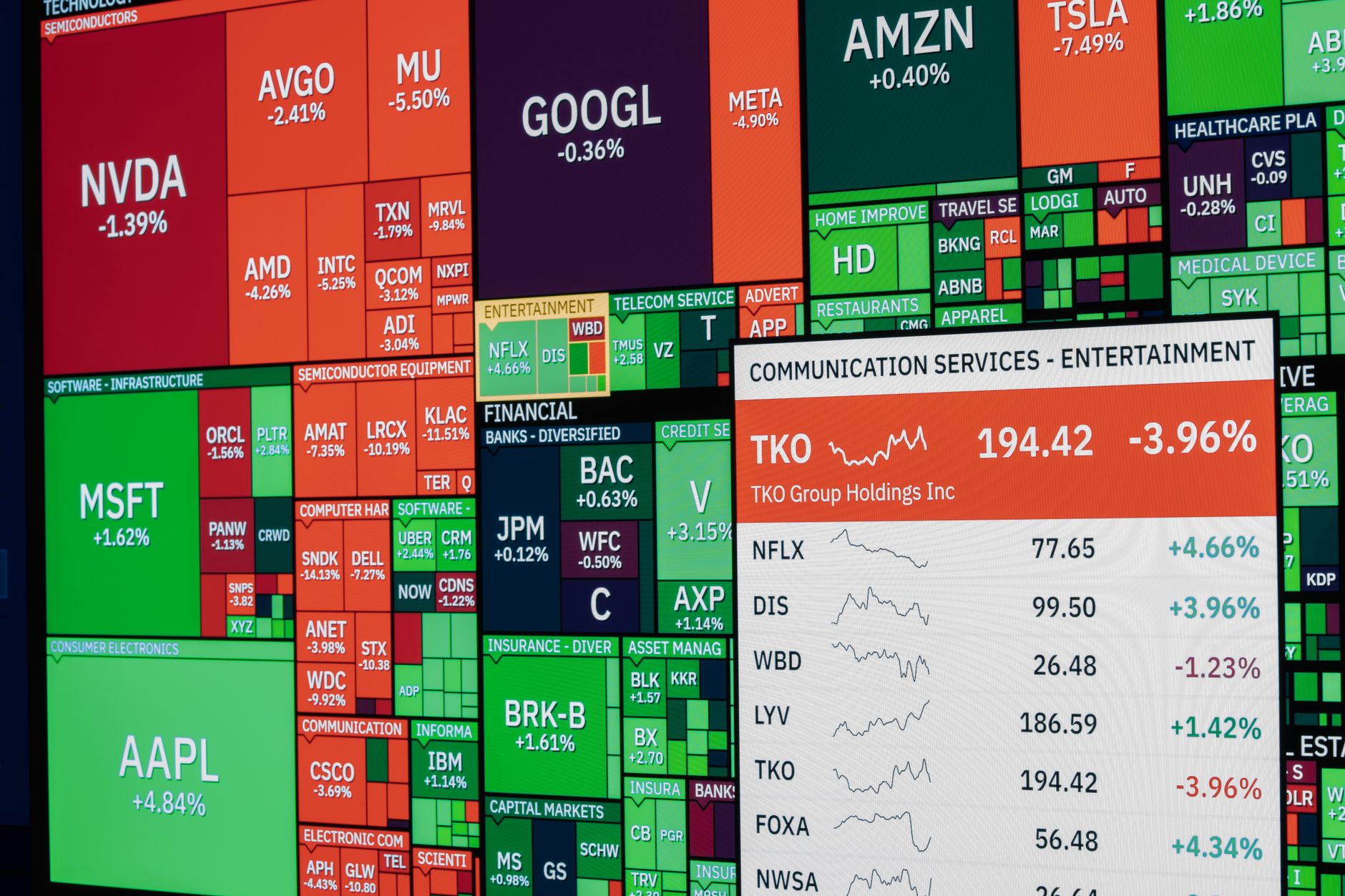
The Sensex market plunge today was significant, dropping 1,484 points as investors engaged in high profit booking. This decline reflects broader market trends and investor sentiment.
Understanding the Sensex market plunge
The recent Sensex market plunge has raised alarms among investors and analysts alike, marking one of the worst drops in recent history. On the trading day, the Sensex plummeted by 1,484 points, resulting in a significant decline that left many scrambling to assess the impact on their portfolios.
Several factors contributed to this sudden downturn:
- Profit Booking: After a sustained period of gains, investors opted to secure profits, leading to a sell-off that exacerbated the market’s decline.
- Global Economic Cues: Concerns regarding inflation and potential rate hikes in major economies created a ripple effect, influencing investor sentiment.
- Geopolitical Tensions: Ongoing geopolitical issues have added an element of uncertainty, pushing traders to adopt a more cautious approach.
- Sectoral Weakness: Key sectors such as technology and finance faced heightened selling pressure, further dragging down indices.
As a result, the Nifty index also fell by 1.75% by the end of the trading session, leaving many to wonder about the future trajectory of the market amidst these turbulent times.
Factors behind today’s market decline
The recent Sensex market plunge has raised concerns among investors and analysts alike. Several factors have contributed to today’s significant decline, leading to the worst drop in recent history.
- Profit Booking: After a prolonged period of gains, investors are taking the opportunity to book profits, leading to increased selling pressure across major sectors.
- Global Economic Concerns: Uncertainty in global markets, particularly due to rising inflation rates and geopolitical tensions, has negatively impacted investor sentiment. Market fluctuations in the US and Europe have further exacerbated the situation.
- Rising Interest Rates: Central banks across the world are tightening monetary policies to combat inflation, making borrowing more expensive. This has led to fears of reduced consumer spending and slower economic growth.
- Sector-Specific Issues: Certain sectors, such as technology and banking, have faced unique challenges, including regulatory changes and reduced earnings forecasts, contributing to overall market decline.
As these factors unfold, market experts are closely monitoring developments to gauge the potential for recovery in the coming weeks.
What this means for investors
The recent Sensex market plunge has sent shockwaves through the financial community, leaving many investors grappling with uncertainty. As the market has dropped significantly, it has raised concerns about the future trajectory of investments and overall economic stability.
For investors, this decline may signal a need for a reevaluation of their portfolios. Here are several implications of this market downturn:
- Short-term losses: Many investors may see immediate declines in their investments, prompting emotional reactions. However, it’s essential to remain focused on long-term goals.
- Opportunity to buy: Some analysts argue that such plunges can offer lucrative buying opportunities for investors looking to purchase stocks at a lower price.
- Increased volatility: The current market environment suggests heightened volatility, which may continue in the short term. Investors should brace for fluctuations and adjust their strategies accordingly.
- Diversification importance: This situation underscores the need for a diversified investment portfolio to mitigate risks associated with significant market movements.
In conclusion, while the Sensex market plunge poses challenges, it also creates potential avenues for prudent investors willing to navigate the turbulent waters of the stock market.
Future outlook for the Nifty
The recent Sensex market plunge has left investors questioning the future trajectory of the Nifty index. Analysts suggest that the outlook may depend on several key factors, including global economic conditions, domestic policy changes, and investor sentiment.
- Global Economic Trends: Investors are closely monitoring international markets, as any signs of economic recovery or downturn can significantly impact the Nifty. A stabilizing global economy could lead to renewed investor confidence.
- Monetary Policy Adjustments: Decisions by the Reserve Bank of India regarding interest rates will play a crucial role in shaping market dynamics. Any moves to combat inflation could influence market performance.
- Corporate Earnings Reports: Upcoming quarterly earnings results will provide insights into the health of key sectors. Strong performance may help to stabilize the Nifty after the recent declines.
- Investor Sentiment: The mood among retail and institutional investors can affect market trends. A shift towards cautious investing could prolong the effects of the recent Sensex market plunge.
Overall, the future of the Nifty remains uncertain, with various external and internal factors at play.