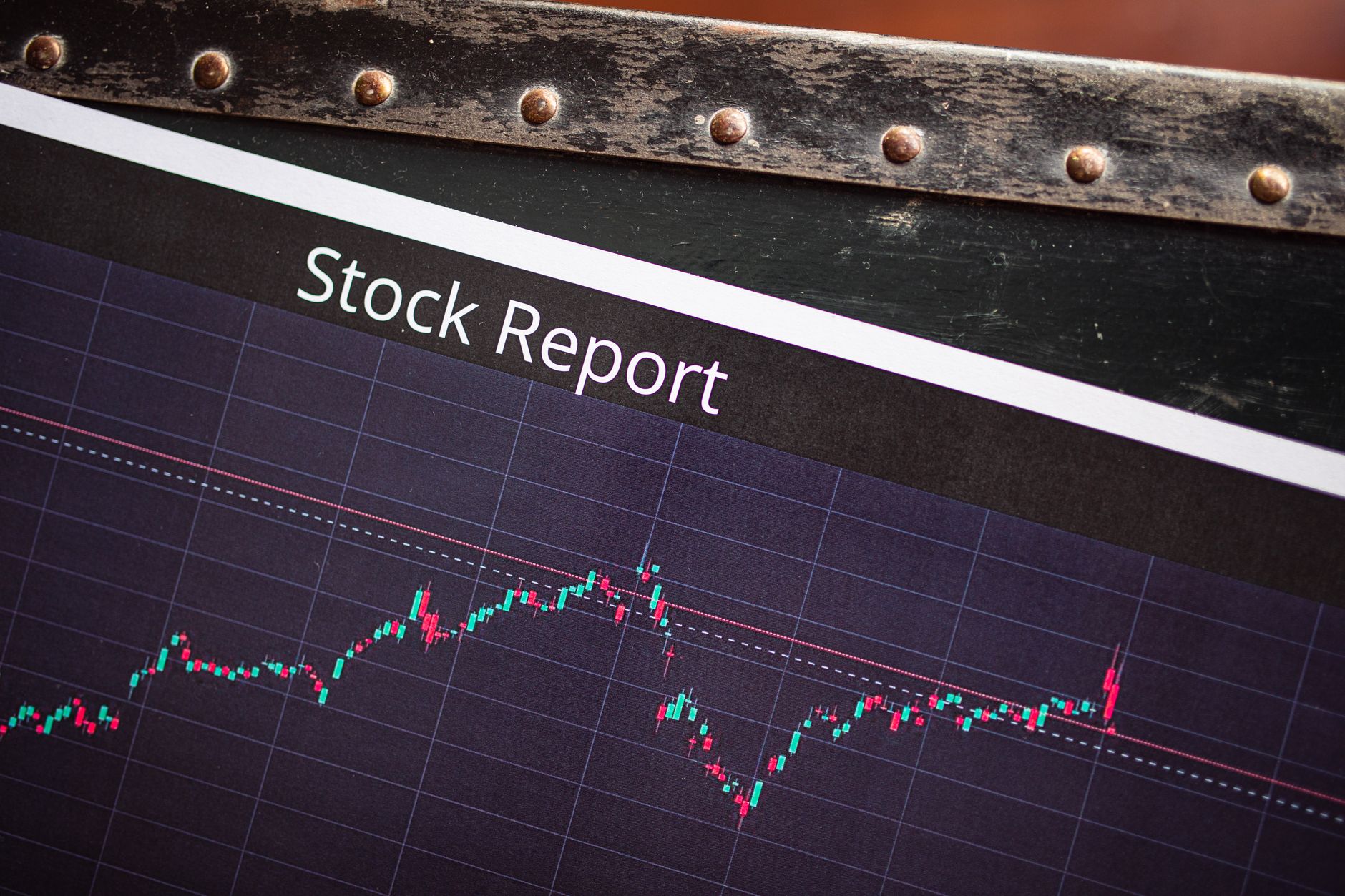
Sensex surges with a remarkable rise of 1,168 points, reflecting positive market sentiment as crude prices stabilize. Investors are keen to understand the implications of this surge.
Market Overview
The Indian stock market witnessed a significant upswing today, with the Sensex surging by 1,168 points during the early trading hours. This surge comes as a relief to investors amid ongoing fluctuations in the global market. The Nifty index also showed remarkable performance, surpassing the 25,350 mark, signaling a robust start to the trading session.
Several factors contributed to this impressive market performance. Firstly, a notable decline in crude oil prices has eased inflationary pressures, providing a favorable environment for market growth. Analysts suggest that lower crude prices can lead to reduced operational costs for many companies, particularly in the energy and transportation sectors.
Additionally, public sector undertakings (PSUs) have emerged as key drivers of this rally, with many PSU banks leading the charge. Investors have shown renewed interest in these stocks, buoyed by expectations of better-than-expected quarterly results and potential policy support from the government.
Market experts are optimistic about the sustainability of this upward trend. They highlight that improving economic indicators, along with supportive global cues, could further bolster investor sentiment. As the trading day progresses, market participants will be closely monitoring developments to gauge whether the Sensex surges can maintain momentum in the coming weeks.
Impact of Crude Prices
The recent surge in the Sensex can be largely attributed to a significant decrease in crude oil prices, which has positively influenced investor sentiment across the market. As crude prices cool down, analysts believe that this trend will lead to reduced inflationary pressures and improved corporate margins.
The impact of declining crude prices is multifaceted:
- Lower Fuel Costs: A decrease in crude prices results in lower fuel costs for businesses, which can enhance profitability.
- Consumer Spending: With reduced transportation costs, consumers may have more disposable income, potentially boosting retail sales.
- Global Market Stability: Lower crude prices often stabilize global markets, attracting foreign investors to the Indian stock market.
PSU banks have emerged as the leading gainers in this rally, reflecting increased confidence in the financial sector. Investors are optimistic that the cooling crude prices could lead to a more favorable economic environment, which may enhance the overall performance of the banking sector.
In conclusion, the impact of crude prices cannot be overstated, as it plays a crucial role in shaping market dynamics. The recent Sensex surges underscore the connection between global commodity prices and domestic economic performance, suggesting that continued monitoring of crude trends will be essential for investors looking to navigate future market fluctuations.
PSU Banks Performance
The recent surge in the Sensex, which climbed by 1,168 points, has been significantly influenced by the performance of Public Sector Undertaking (PSU) banks. As the market opened, Nifty also topped 25,350, reflecting a positive trend across various sectors.
Investors have shown increased confidence in PSU banks, driven by a combination of factors. The cooling of crude oil prices has alleviated some economic pressures, allowing these banks to gain traction. As a result, several PSU banks have reported robust gains, contributing to the overall market rally.
- State Bank of India (SBI): The largest PSU bank saw a remarkable increase in its stock price, buoyed by positive sentiment and strong earnings reports.
- Bank of Baroda: With a surge in demand for loans, Bank of Baroda has also experienced significant stock price appreciation, reflecting its solid position in the banking sector.
- Punjab National Bank (PNB): PNB’s strategic initiatives and improved asset quality have resonated well with investors, pushing its shares higher.
This upswing in PSU banks is a key factor behind the Sensex surges, highlighting the importance of sector-specific performance in driving overall market trends. As the financial landscape evolves, the stability and growth of these banks will continue to play a critical role in shaping market dynamics.
Nifty’s Current Status
The Nifty index has seen significant movement as it responds to the broader trends in the market, especially in the wake of the recent surge in the Sensex. Currently, the Nifty is trading above the crucial 25,350 mark, reflecting a strong bullish sentiment among investors.
Market analysts have attributed this upward momentum to several factors:
- Global Cues: Positive signals from international markets and easing concerns over inflation have boosted investor confidence.
- Domestic Economic Indicators: Recent economic data indicating growth has encouraged buying across various sectors.
- Sectoral Performance: Key sectors such as IT and financials are showing resilience, contributing to the overall strength of the Nifty.
- Investor Sentiment: The prevailing optimism in the market has attracted both retail and institutional investors, further propelling the Nifty upwards.
The recent surge in the Sensex has also inspired a wave of optimism among traders, leading to heightened activity in the Nifty. As the market adjusts to the cooling of crude prices, expectations remain high for continued growth.
With the Nifty climbing steadily, investors are urged to remain vigilant and consider the long-term trends while making investment decisions.
Investor Reactions
Investor reactions to the recent surge in the Sensex have been overwhelmingly positive, as many market participants express their optimism about the current economic landscape. With the Sensex surging 1,168 points, this significant uptick has instilled confidence among traders and long-term investors alike.
Many retail investors are taking this opportunity to reassess their portfolios, focusing on sectors that have shown resilience amidst market fluctuations. Key sectors that are drawing attention include:
- Technology: With advancements in digital solutions, tech stocks are seeing increased interest.
- PSU Banks: Following their improved performance, these banks are gaining traction among investors.
- Consumer Goods: Stable demand in the consumer sector continues to attract funds.
Analysts believe that the recent gains in the Sensex could pave the way for further upside, particularly if global economic conditions remain favorable. “The market is reacting positively to the cooling of crude oil prices, which alleviates some inflationary pressures,” noted one market analyst.
As investor sentiment strengthens, many are optimistic about the potential for sustained growth, making the current phase an intriguing time for both seasoned investors and newcomers looking to enter the market. The momentum surrounding the Sensex surges could lead to further exploration of investment opportunities in the coming weeks.
Future Market Predictions
Analysts are optimistic about the future market trends following the recent surge in the Sensex. With the index jumping significantly, there are several factors that could influence its trajectory moving forward.
One prominent factor is the anticipated stability in crude oil prices. As crude prices have shown signs of cooling, it is expected to have a positive impact on inflation and, consequently, on the Indian economy. This could lead to increased consumer spending and bolster corporate earnings.
Additionally, the performance of the PSU banks, which have been at the forefront of the recent market gains, is likely to continue influencing investor sentiment. A strong performance from these banks has historically acted as a barometer for the overall market health.
The following points summarize the potential future trends for the market:
- Continuation of Positive Sentiment: If global markets remain stable, the Sensex could maintain its upward momentum.
- Interest Rate Decisions: The Reserve Bank of India’s monetary policy will play a crucial role in shaping market expectations.
- Corporate Earnings Reports: Upcoming quarterly results will provide insights into economic recovery and growth.
- Geopolitical Stability: Any developments on the international front could impact market dynamics.
In summary, while the Sensex surges present a promising outlook, investors are advised to remain vigilant about external factors that may affect the market in the near future.
Economic Factors at Play
The recent surge in the Sensex can be attributed to various economic factors that have played a significant role in shaping market dynamics. As investors react positively to global trends, several key elements are influencing the ongoing rally.
- Monetary Policy Adjustments: Central banks worldwide have adopted a more dovish stance, leading to lower interest rates. This environment encourages borrowing and investment, bolstering market confidence.
- Corporate Earnings: Positive quarterly earnings reports from major companies have fueled optimism among investors. Robust financial performance signals growth potential, thereby driving stock prices higher.
- Foreign Investment Flows: An increase in foreign direct investment (FDI) has been observed, as global investors seek opportunities in emerging markets. This influx of capital contributes to the overall upward momentum of the Sensex.
- Domestic Economic Resilience: Despite global uncertainties, India’s economic fundamentals remain strong, with steady GDP growth and a resilient consumer market. This economic resilience supports investor confidence.
- Geopolitical Stability: A relatively stable geopolitical environment has provided a conducive backdrop for market expansion. Investors are more likely to engage in bullish activities when political risks are minimized.
In summary, the combination of these economic factors has facilitated the notable gains in the market, contributing to the impressive rise of the Sensex.
Conclusion and Insights
In conclusion, the recent Sensex surges have been driven by a combination of factors that have positively influenced investor sentiment and market dynamics. As the markets continue to react to fluctuating crude prices, the stability brought about by lower oil rates has provided much-needed relief for various sectors. This, coupled with the strong performance of PSU banks, has contributed significantly to the upward trajectory of indices like the Nifty.
Furthermore, investor reactions have shown a marked improvement, with many seeing the current market conditions as an opportunity to capitalize on gains. The surge in the Sensex, which saw a rise of 1,168 points, reflects growing confidence among market participants about the overall economic outlook.
Looking ahead, the future market predictions remain cautiously optimistic. Analysts are closely monitoring economic indicators and global market trends, which will play a crucial role in determining the sustainability of these gains. While external economic factors may pose challenges, the resilience displayed by the Indian market suggests a robust potential for continued growth.
In summary, the significant uptick in the Sensex not only highlights a moment of triumph for investors but also underscores the importance of adapting to evolving market conditions. As the landscape shifts, staying informed and agile will be key for navigating the path forward.
The recent surge in the Sensex surges has sparked optimism among investors, indicating a potential turnaround in market sentiment. Analysts suggest that the continued upward momentum of the Sensex surges reflects strong corporate earnings and positive economic indicators.
Photo by Alcimar Lourenco on Pexels