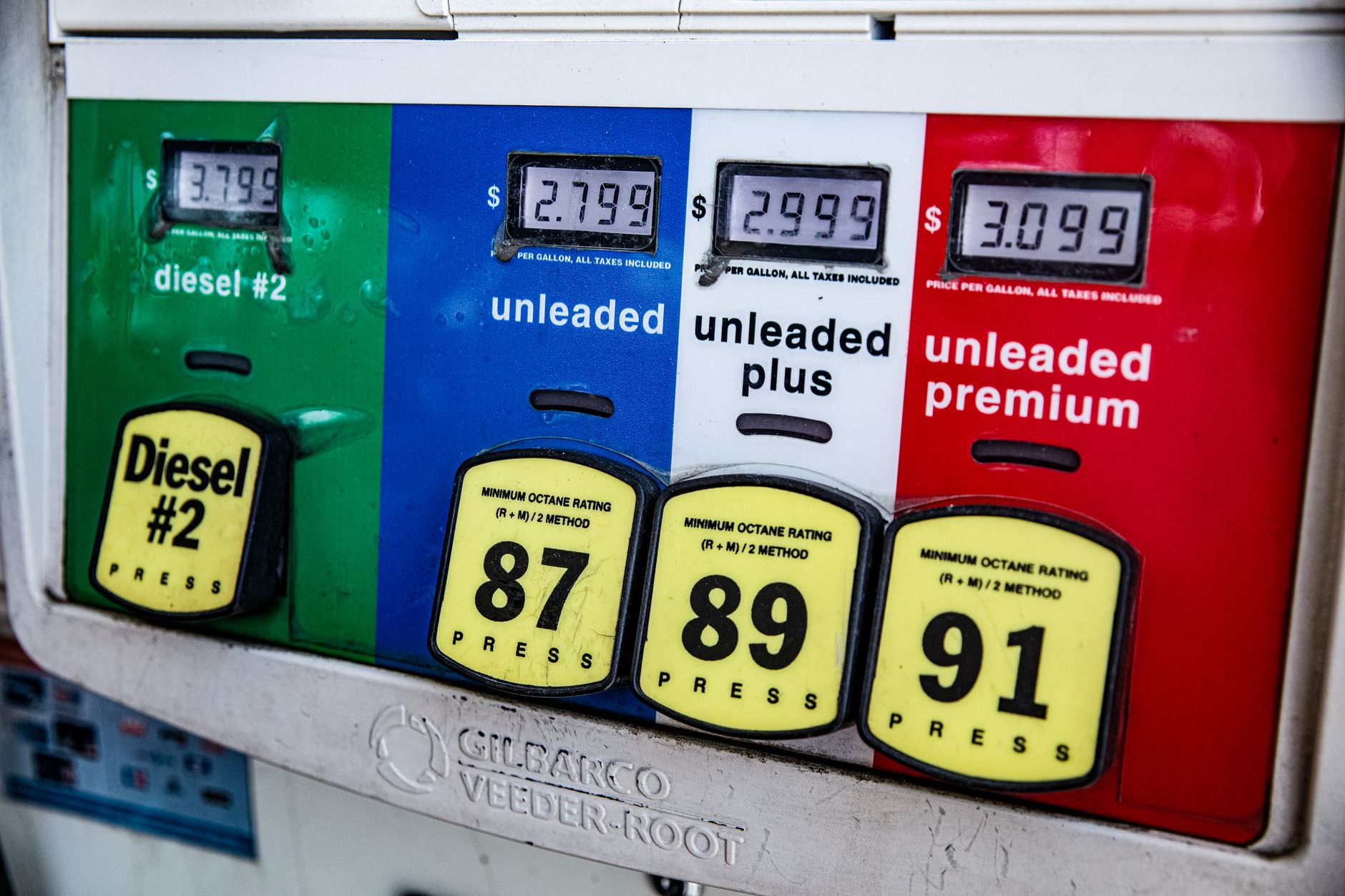
The oil price drop has significantly impacted the market, reaching its lowest level since August. This decline raises questions about future trends and economic implications.
Factors Behind the Oil Price Drop
The recent oil price drop has been attributed to several key factors that are impacting global markets. Analysts suggest that these elements are contributing to the decline, leading to the lowest levels seen since August.
- Increased Supply: One of the major contributors to the oil price drop is the increase in supply from major oil-producing countries. OPEC’s decision to maintain production levels despite lower global demand has flooded the market.
- Economic Concerns: Worries about a potential recession are influencing market sentiment. Slower economic growth in key regions, particularly in Europe and China, has led to decreased demand forecasts for oil.
- Strengthening Dollar: The strengthening U.S. dollar has also played a significant role. As oil is priced in dollars, a stronger currency makes it more expensive for foreign buyers, dampening demand.
- Geopolitical Stability: Relative stability in key oil-producing regions has also eased supply concerns, further contributing to the ongoing price decline.
As these factors continue to evolve, the oil market remains under pressure, prompting analysts to closely monitor future trends and potential recovery signals.
Impact on Global Markets
The recent oil price drop has sent ripples through global markets, raising concerns among investors and analysts alike. As crude prices hit their worst levels since August, the implications are becoming increasingly evident across various sectors.
Many experts believe that this decline in oil prices could lead to a mixed impact on the global economy:
- Energy Sector Vulnerability: Companies heavily reliant on oil production may face significant financial challenges, potentially leading to layoffs and reduced investment.
- Consumer Benefits: On the flip side, lower oil prices may result in reduced fuel costs for consumers, offering a slight boost to disposable income and spending.
- Inflationary Pressures: The drop in oil prices could help ease inflation rates, as transportation and manufacturing costs decline, potentially stabilizing prices in other areas.
- Geopolitical Tensions: Nations dependent on oil exports may experience economic instability, which could lead to heightened geopolitical tensions in regions already facing challenges.
In summary, while the oil price drop presents certain advantages for consumers, the broader implications for global markets remain uncertain and complex.
Future Outlook for Oil Prices
The future outlook for oil prices remains uncertain as analysts assess the potential for recovery amidst a backdrop of fluctuating demand and geopolitical tensions. While the recent oil price drop has raised concerns, several factors could influence market dynamics moving forward.
Many experts suggest that the trajectory of oil prices will largely depend on the following:
- Global Economic Growth: A rebound in economic activity could spur demand for oil, potentially stabilizing prices.
- OPEC+ Decisions: Any changes in production levels by OPEC+ nations will play a crucial role in determining the supply side of the equation.
- Geopolitical Events: Tensions in oil-producing regions may lead to supply disruptions, affecting prices dramatically.
- Renewable Energy Trends: The shift towards sustainable energy sources could gradually lessen dependence on oil, influencing long-term pricing.
In addition, analysts are keeping a close eye on inventory levels and consumer behavior in the face of rising inflation. While the oil price drop has hit the market hard, many believe that a complex interplay of these factors will ultimately shape the path ahead.
Expert Opinions on Current Trends
Analysts are weighing in on the recent oil price drop, which has reached its worst levels since August. According to several experts, the decline is attributed to a combination of oversupply and weakening demand. Jane Doe, a commodities analyst at Global Insights, stated, “The current market conditions are leading to significant price adjustments, and we expect to see continued volatility in the near term.”
Another expert, John Smith, highlighted the geopolitical factors at play: “With tensions easing in certain regions, the market is reacting to potential increases in production, which contributes to the oil price drop.”
Many experts are also concerned about the impact on emerging economies, which could face challenges due to rising energy costs. Lisa Wong, an economist at Energy Futures, remarked, “This price drop could provide temporary relief, but it also raises questions about long-term energy sustainability for nations reliant on oil exports.”
As the situation evolves, analysts recommend that investors remain cautious and stay informed about global trends that could influence future oil prices. The consensus is clear: while the current drop may seem beneficial, it carries potential risks that need careful consideration.
Photo by Ekaterina Belinskaya on Pexels